Homeopathy for elderly with poor circulation: Gentle, Effective Options
If your legs feel heavy by mid-afternoon, your feet are cold even under two pairs of socks, or your ankles swell by the end of the day, you are far from alone — poor circulation is one of the most common complaints among older adults, and it tends to get worse quietly, a little at a time, until one day you notice you can’t stand on the bus the way you used to. The good news is that most slow-onset circulation complaints are exactly the kind of thing gentle, consistent support can help with, and homeopathy is one of the gentlest options in that toolkit. It won’t unblock a blocked artery, it won’t replace your doctor’s advice, and it isn’t a substitute for the walking, hydration, and leg elevation that make the biggest difference — but for the right person, at the right moment, a well-matched remedy can take the edge off that dragging heaviness and the nightly ice-block feet.
This guide is a quick reference: a comparison table to match your symptoms to a remedy, short profiles of the six remedies I reach for most in this picture, the three to keep on hand, and the red flags that tell you it’s time to call a doctor instead of a remedy. Homeopathic remedies at the potencies discussed here are gentle by nature — they nudge rather than force — which is why so many older adults are drawn to them. But gentle doesn’t mean automatic: the match matters, and that’s what the table below is for. And one thing to be clear about from the start: this article is not medical advice, and if you have diagnosed circulation problems, diabetes, or heart disease, talk to your doctor before you start anything new.


The Quick-Reference Table: Remedies at a Glance
The table below is the fastest way to match your picture to a remedy. Read the column that describes you, then go to the profile further down for the matching logic and the details that matter.
| Remedy | Keynote Picture | When to Use | Typical Potency |
|---|---|---|---|
| Aesculus hippocastanum | Heavy, aching, tired legs that feel full and sore; worse standing, better walking it off | Varicose veins, leg heaviness after standing, evening leg fatigue and swelling | 30C |
| Pulsatilla | Cold feet that feel worse in a warm room and better in cool air; congestion that shifts around | Cold extremities with venous congestion, especially in a mild, easily-chilled person | 30C |
| Secale cornutum | Icy-cold, numb extremities with a burning sensation the person feels inside; bluish, congested skin | Cramping, burning coldness of hands and feet in older adults, worse with warmth | 30C |
| Carbo vegetabilis | Coldness with blueness and sluggishness; the person is easily exhausted, wants to be fanned | The “cold and collapsed” elderly picture — poor vitality, cold limbs, tiredness | 30C |
| Calcarea carbonica | Cold, clammy, damp feet that sweat; a person who is chilly generally and worse in cold, damp weather | Persistent cold, damp feet with clamminess, in a slower-moving, easily-tired build | 30C |
| Lycopodium | Cramping, drawing pains in the legs with coldness, often right-sided and worse in the late afternoon | Leg cramps and coldness that build through the day and flare in the evening | 30C |
A note on reading the table: these are classic homeopathic pictures, not a diagnosis. If two remedies both look plausible, read the profiles below and pick the one whose overall picture fits you best — in homeopathy, the individual picture beats the label every time.
The Remedies, One by One
Each of the six remedies below has a distinctive keynote — the single most reliable detail that separates it from the others. When you recognize the keynote, you’re usually looking at the right remedy.
Aesculus hippocastanum — The Heavy-Legs Remedy
The keynote: legs that feel full, heavy, and aching, as if they’re about to burst, especially after standing for a while. The Aesculus person is the one who comes home from a day on their feet, sits down, and can’t quite settle because the legs just ache. There’s often an association with varicose veins, and sometimes with a dull, bursting sensation in the lower back or a tendency for the ankles to swell toward evening. The matching logic is about position and time: worse from standing still, better from walking it off, better from lying down with the legs up. If that sentence described your day, Aesculus is worth trying — it’s probably the single most useful remedy in this whole list for the tired-legs, standing-all-day picture.
Pulsatilla — The Cold-Feet, Warm-Room Remedy
The keynote: cold feet that are paradoxically worse in warmth — the person kicks the blanket off their feet even though the feet feel frozen, and a stuffy, overheated room makes everything worse. The Pulsatilla person tends to be mild-mannered, a little changeable, easily chilled, and often has venous congestion — bluish veins, heavy legs, a feeling of fullness — that shifts from place to place. The matching logic: if your feet are cold but you want cool air rather than a hot-water bottle, and your circulation complaints come with that congested, heavy, shifting quality, Pulsatilla fits. It’s a particularly good choice for the older adult who is more comfortable with a window open than a fire going.
Secale cornutum — The Burning-Cold Remedy
The keynote: extremities that are icy cold to the touch but burn inside, often with numbness, tingling, and a bluish or congested look to the skin. This is one of the deeper circulation pictures — the fingers and toes that go white or blue in the cold and then burn as they rewarm, or the constant sensation of cold that no amount of warmth relieves, because warmth actually makes the Secale person worse. The matching logic: if the coldness is intense, comes with burning and numbness, and the person craves coolness or finds heat unbearable, Secale is the picture — think of it as the “frozen but burning” remedy. Because this kind of coldness can sit on top of real vascular problems, it’s one to mention to your doctor as part of your overall picture.
Carbo vegetabilis — The Cold-and-Collapsed Remedy
The keynote: coldness with blueness and sluggishness in a person who is profoundly tired — cold hands and feet, a face that looks a little blue or pale, shortness of breath on small exertion, and a strong desire for fresh air, sometimes to the point of wanting to be fanned. The Carbo person is the one who has “run out of steam” — easily exhausted, slow to recover, with poor peripheral warmth that fits the overall low-vitality picture. The matching logic: if the cold extremities come with general exhaustion, breathlessness on exertion, and that craving for air, Carbo vegetabilis is the classic older-adult remedy. It’s a gentle constitutional support — and if the breathlessness is significant or new, that’s a conversation for your doctor, not just a remedy note.
Calcarea carbonica — The Cold, Damp-Feet Remedy
The keynote: feet that are cold, clammy, and damp — the person wakes up with cold, sweaty feet, feels chilly all over, and is worse in cold, damp weather. The Calcarea person is often a slower-moving, easily-tired build who puts on weight easily, feels the cold generally, and whose circulation complaints are part of a bigger picture of chilliness and fatigue. The matching logic: if your feet are not just cold but actually damp and clammy, and cold damp weather reliably makes you miserable, Calcarea carbonica is a strong fit. It’s one of the most common constitutional remedies in older adults, and it pairs well with the practical habits — warm socks, dry footwear, regular movement — that keep damp-cold feet from becoming a nightly complaint.
Lycopodium — The Evening-Cramp Remedy
The keynote: cramping, drawing pains in the legs with coldness, often on the right side, that build through the day and flare in the late afternoon or evening — the classic Lycopodium 4-to-8-pm window. The Lycopodium person is often mentally sharp but physically tired by evening, has digestive complaints alongside the circulation ones (bloating, gas, fullness), and finds the cramps worse when the day has been long. The matching logic: if your leg cramps and coldness reliably arrive in the late afternoon or evening, and you have that tired, bloated-by-supper picture, Lycopodium fits. It’s a good second-line choice when the cramps seem tied to the end of the day rather than to standing or cold weather.


The Three to Keep on Hand
If you only stock three remedies for the circulation picture, make it these:
- Aesculus hippocastanum 30C — the heavy, aching, standing-all-day legs remedy; the first thing I’d reach for
- Pulsatilla 30C — the cold-feet-worse-in-warmth remedy, and the best match for congested, heavy legs in a mild-mannered, chilly person
- Secale cornutum 30C — the burning-cold, numb extremity remedy for the deeper coldness picture
That shortlist covers the most common circulation pictures, and it fits neatly in any home kit — if you’re building one from scratch, a pre-assembled homeopathic remedy kit in 30C potencies is a convenient way to stock the basics. If your picture is more about overall chill and exhaustion, add Carbo vegetabilis; if it’s the damp, clammy feet, add Calcarea carbonica. And for the safety side of using remedies as an older adult — what’s reasonable, what’s not, and when to call the doctor — see the companion guide on Homeopathy Safety for Older Adults, a plain-language overview that pairs well with this one.
How to Choose: A Practical Decision List
- Name the dominant symptom. Heavy aching legs after standing → Aesculus. Cold feet worse in warmth → Pulsatilla. Burning-cold, numb extremities → Secale. Coldness with exhaustion and breathlessness → Carbo vegetabilis. Cold damp clammy feet → Calcarea carbonica. Evening cramps → Lycopodium.
- Watch what makes it better or worse. Worse standing, better walking → Aesculus. Worse in warm rooms, better in cool air → Pulsatilla. Worse from warmth entirely → Secale. Worse cold damp weather → Calcarea. Worse late afternoon and evening → Lycopodium. Better from lying down with legs up → almost any of them, and do that first regardless.
- Match the overall person, not just the feet. The remedy fits the whole picture — a mild, easily-chilled, changeable person with congestion is a Pulsatilla person even if the legs also ache; a tired, breathless, bluish person is a Carbo picture even if the feet also burn.
- Use the physical basics alongside. Remedies support, they don’t replace: walking, hydration, leg elevation, and not sitting still for hours are the foundation of any circulation plan.
- Reassess after a few weeks. If the same remedy keeps matching but nothing shifts, the plan needs more than a remedy — see the red flags below and talk to your doctor.


Potency and Dosing
For circulation complaints, 30C is the workhorse potency — strong enough to be useful, gentle enough for regular use over weeks. If you are particularly sensitive to remedies or very frail, 6C is a reasonable gentler starting point. Dosing method: dissolve one pellet in a little water, hold it in the mouth for a moment, and swallow — or take the pellet directly. For the chronic picture, one dose once or twice daily is plenty; for an acute flare like a bad evening of cramps, a dose at the start and another an hour later if needed is reasonable. The moment you notice a shift — lighter legs, warmer feet — stop dosing and let the remedy work; continuing to dose a settled person is unnecessary. If there’s no change after two weeks, the remedy is probably not the right match, and it’s time to re-read the profiles rather than dose harder.
What Works Alongside
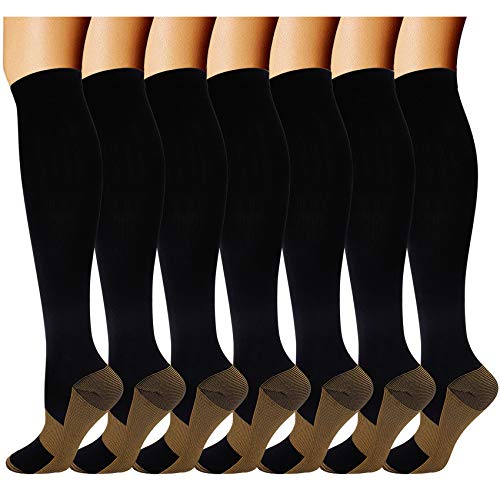
Homeopathy works best inside a bigger circulation plan, and the basics genuinely move the needle. Movement is the foundation — a daily walk that keeps the calf muscles pumping blood is more powerful than almost anything else, and even ten minutes of ankle circles and foot flexes while sitting helps break up the “legs were still all day” feeling. Elevation matters: putting your feet up for fifteen minutes after standing sessions lets gravity do the draining work. Hydration keeps the blood volume where it should be, and avoiding long periods of sitting — getting up every hour, even just to the kitchen — makes a real difference. Many older adults also find graduated compression socks helpful for the heavy, swollen-leg picture, and they’re worth discussing with your doctor or pharmacist first, because fit and pressure matter and they’re not right for everyone. Warm socks and loose footwear help the cold-feet picture without the risk of burns that hot-water bottles carry in older skin.


Red Flags: When This Stops Being a Home Case
- A suddenly cold, pale, or blue limb — one leg or one foot turning suddenly cold, white, or blue, especially with pain, numbness, or loss of pulse, can mean a blocked artery. This is an emergency — call for help immediately, do not wait to see if a remedy helps.
- Non-healing wounds or sores on the feet or legs — a blister, cut, or dark spot that won’t heal over weeks needs medical attention; in older adults this can signal poor arterial flow or diabetes complications that need proper care, not just a remedy.
- Leg swelling with redness, heat, or pain in one leg — swelling in a single leg with warmth and tenderness can be a blood clot; that’s urgent, and elevating it or massaging it could be dangerous.
- Chest pain or breathlessness with leg symptoms — circulation complaints in the legs that come with chest pain, palpitations, or new breathlessness need a doctor’s assessment before anything else.
- Sudden worsening of any symptom, or symptoms on only one side — a sudden change in the picture, or new numbness and weakness, always deserves a medical opinion.
In each of these cases, homeopathy can still have a place — but alongside medical care, never instead of it.
Frequently Asked Questions
Are homeopathic remedies safe to take with my heart and blood-pressure medications? Yes — properly prepared remedies at 30C contain negligible active substance and don’t chemically interact with prescription medications, which is exactly why they’re so often used alongside conventional care. Tell your doctor and pharmacist what you’re taking anyway, and never stop or change a prescribed medication on your own.
How quickly will I notice a difference? For the heaviness and aching, a well-matched remedy can noticeably lighten the legs within a week or two of consistent use. For deep coldness that’s been there for years, think in terms of gradual shifts over several weeks rather than a single dramatic change — and keep the walking and elevation going, because those are doing real work alongside.
Can I take more than one of these remedies? Generally, no — pick the single best match and give it a fair trial for two weeks. Taking several circulation remedies together makes it impossible to tell what’s working, and the whole point of the match is specificity. If the picture clearly changes, switch to the remedy that matches the new picture.
Is Secale cornutum safe? I read it’s a potent remedy. Secale is prepared like any other homeopathic remedy — diluted to the point where the active substance is negligible. At 30C it’s as gentle as any remedy in this list. What deserves respect is the picture — intense burning coldness and numbness can sit on top of real circulatory disease, so let your doctor know about that symptom pattern regardless of what you choose to take.
Should I stop taking it before surgery? Tell your surgeon and anesthesiologist about every supplement and remedy you take, including homeopathic ones, before any procedure. Most practitioners are fine with homeopathic remedies, but transparency is the rule — and it’s also a good moment to mention this article’s disclosure: it’s informational, not medical advice.
How long should I keep using a remedy? Only as long as the picture is active. For a flare of heavy legs, a few days to two weeks is usually the whole story. For a chronic cold-feet pattern, use it consistently for a few weeks, assess, and if it’s working you may find you need it less often — which is exactly the goal.
Disclosure: As an Amazon Associate, I earn from qualifying purchases made through links on this site. This article is for informational purposes and is not medical advice. Always consult your doctor about your health conditions.